


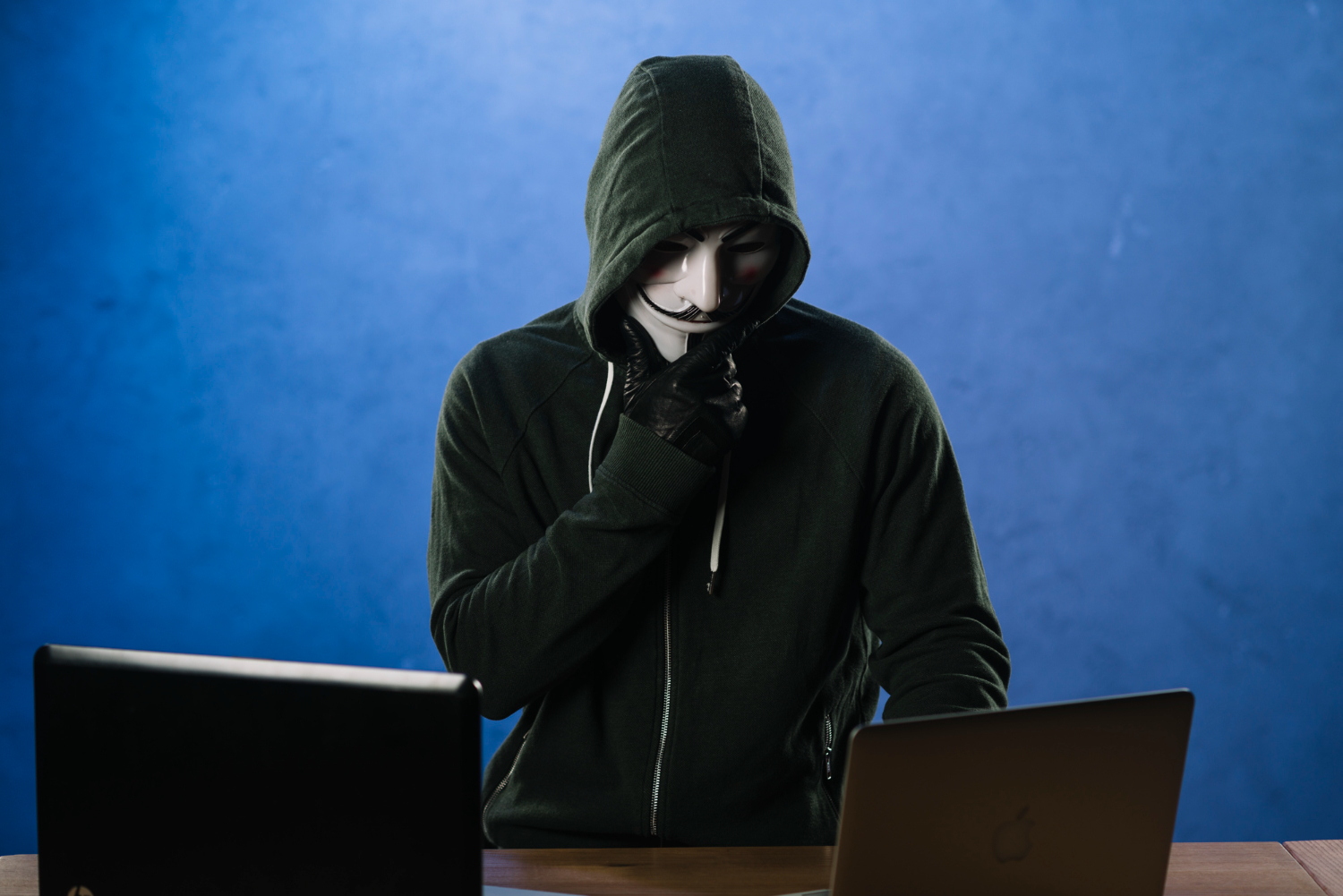
Imagine waking up one day and finding out someone stole your money from the bank. Not because they broke in, but because they pretended to be you. That’s identity theft, and it’s a huge problem. Millions of people get hit every year. But here’s the good news: blockchain stops identity thieves in a way that’s smarter than ever. This article is all about how this cool tech keeps your personal info safe from crooks in our digital world.
Identity theft is a nightmare. Thieves can grab your name, credit card, or even Social Security number to trick banks or stores. It’s scary, and fixing the damage it causes takes forever. Old ways like passwords or paper IDs aren’t enough anymore—they’re too easy to crack. That’s where blockchain comes in. You can stop identity theft blockchain style, locking thieves out for good.
So how does it work? Blockchain is like a super-safe diary that nobody can mess with. It protects you without needing a middleman who might slip up. By the end of this post, you’ll see how blockchain stops identity thieves and why it’s your ticket to better blockchain identity security.
Identity Theft – The Growing Threat
Identity theft is when someone steals your personal info—like your name, address, or bank details—to pretend they’re you. It’s not just annoying; it’s a total nightmare. Thieves can use your info to open credit cards, take out loans, or even buy stuff online, leaving you with the bill. Lots of individuals have fallen victim, and the numbers keep climbing. It’s a big deal because it’s so hard to stop with old tricks.
Think about it: If someone gets your Social Security number or hacks your email, they can ruin your life fast. You might lose money, your credit score could tank, and you’d spend months—or years—fixing it. It’s not just about cash either. It feels awful knowing someone’s out there pretending to be you. Regular stuff like passwords or bank logins isn’t cutting it anymore. Identity thieves are too sneaky, and companies keeping your info sometimes mess up and let it leak.
That’s why we need something better. Old ways let thieves slip through the cracks, but blockchain stops identity thieves by changing the game. It’s not like a bank or a website that can get hacked. Blockchain keeps your info safe in a way thieves can’t touch. Identity theft is a monster, and it’s growing. People lose sleep over it, and the old fixes are failing. We need a hero, and blockchain stops identity thieves where others can’t.
Blockchain Made Simple – What You Need to Know
Blockchain sounds fancy, but it’s pretty simple to grasp once you break it down. Think of it as a super-safe notebook that keeps records nobody can tamper with. It’s not stored in one place like a bank or a company server. Instead, it’s spread across tons of computers, all linked up. That’s what makes it special—and why blockchain stops identity thieves so well.
So why does this matter? Regular stuff like passwords or IDs can be stolen easily because they sit in one place—like a bank’s computer—or rely on weak links. Hackers love that. But blockchain flips the script. It doesn’t trust one big keeper with your info. It splits it up, shares it across nodes, locks it down, and keeps it real. That’s how blockchain stops identity thieves from sneaking in. They can’t crack what’s not all in one spot or change what’s set in stone.
This isn’t just nerd talk—it’s about blockchain identity security. It’s a way to keep your name, money, and life yours. You don’t need to be a tech wizard to get it. Blockchain is like a shield that’s tough to bust, built for a world where identity thieves are everywhere. Blockchain isn’t some far-off dream. It’s here, and it’s changing how we stay safe.
How Blockchain Stops Identity Thieves – The Breakdown
So how does blockchain actually stop identity thieves? It’s not magic—it’s smart design. Let’s break it into three big ways blockchain stops identity thieves and keeps your info safe. Think of it like a fortress with no weak doors.
1. No Central Target
First, blockchain is decentralized. That’s a big word, but it just means your info isn’t kept in one place—like a bank or a company’s computer. Instead, it’s split across thousands of machines worldwide. Thieves love hitting one big target, like cracking a safe. With blockchain, there’s no single safe to crack. It’s like hiding your treasure in a million tiny pieces—no one can grab it all. This setup alone makes it tough for crooks to even start.
2. Ironclad Encryption
Next, blockchain uses encryption—think of it as a super-secret code. When you put your info, like your name or bank details, into blockchain, it gets scrambled up. Only you have the key to unscramble it. Thieves might snag some data, but without that key, it’s gibberish. It’s like locking your diary with a code so strong they’d give up before cracking it. This is a huge way blockchain stops identity thieves—they can’t use what they can’t read.
3. Permanent Records
Finally, blockchain makes records that can’t be changed. Once your info is added, it’s locked in forever—like carving it into a rock. Thieves can’t fake it or erase it to sneak by. Compare that to regular systems where hackers can tweak a database or slip in a phony ID. With blockchain, what’s real stays real. That’s how it slams the door on fraud.
Traditional ways you might be used to—like passwords or paper IDs—leave gaps. Hackers slip through, steal your stuff, and run. But blockchain stops identity thieves by closing those gaps. It’s not just tougher; it’s built different. Whether it’s how blockchain prevents theft or puts a full-on stop identity theft blockchain style, this tech puts you in charge. No more relying on shaky companies or weak logins. Blockchain’s got your back.
Blockchain in the Real World – Proof It Works
Blockchain isn’t just talk—it’s already out there doing the job. Let’s look at some real examples of how blockchain stops identity thieves in ways you can see. These aren’t dreams; they’re happening now.
One cool example is self-sovereign identity—like with a company called Evernym. It lets you control your own ID on a blockchain. No bank or government holds it for you. You share only what’s needed, like proving you’re over 21 without showing your whole life story. Thieves can’t steal what’s not sitting in some big database. It’s a real way blockchain stops identity thieves by cutting out the middleman they love to trick.
Another case is Civic, a blockchain app for secure IDs. It’s like a digital wallet for your identity. Companies check it without storing your info themselves. If a hacker hits them, there’s nothing to grab—your stuff stays safe with you. This is blockchain identity security in action, keeping thieves empty-handed. People are using it for logins and sign-ups already.
Big players are testing it too. Some governments and banks are trying blockchain to track IDs—like birth certificates or driver’s licenses—without the old risks. In places like Estonia, they’re putting citizen data on blockchain to dodge hacks. It’s not everywhere yet, but it shows the power. Identity thieves hate it because there’s no weak link to exploit.
These examples prove blockchain stops identity thieves by flipping how we handle info. It’s not about trusting some company to guard your stuff—it’s about you holding the reins. No giant leaks, no fake IDs sneaking through. Blockchain’s out there today, making blockchain identity security real.
Why Blockchain Outshines Traditional Fixes
Old ways to protect your identity—like passwords, PINs, or paper IDs—are like rusty locks. They worked okay once, but now identity thieves bust through them too easily for your own good. Blockchain’s different. It’s a shiny new bolt that blockchain stops identity thieves with, and here’s why it beats the classics.
First, old stuff relies on weak spots. Passwords? You reuse “Fluffy123” everywhere, and one hack gets them all. Paper IDs like Social Security cards? Thieves snag them from mail or leaks. Companies store your info in one big pile—think Equifax losing millions of records. When that breaks, you’re toast. Blockchain doesn’t do that. It splits your info up, locks it tight, and gives you control. No single spot for thieves to hit.
Second, old fixes are slow and shaky. Lost your ID? You wait weeks for a new one, begging some office to help. Hacked account? Good luck proving it’s you. Blockchain’s fast—you own your info and share it when you want, no middleman fumbling. It’s like handing over a key yourself instead of trusting a stranger with it.
Lastly, old ways leak. Banks, websites, even governments get breached because they hoard your data. Identity thieves love that buffet. Blockchain? It’s not a buffet—it’s your private stash, guarded by codes and spread-out records. That’s how blockchain stops identity thieves while passwords and papers fail. It’s the stop identity theft blockchain trick—tougher, quicker, yours.
Old-school stuff leaves you open. Blockchain shuts that down. It’s not perfect yet, but it’s miles ahead of the junk we’ve been using.
In Conclusion…
Identity theft is a headache nobody wants—losing money, trust, and peace of mind. But blockchain stops identity thieves with tech that’s ready right now. We’ve seen how it works: no central target for crooks, codes they can’t break, and records they can’t fake. It’s not like passwords or paper IDs that crumble under pressure. Blockchain’s a wall they can’t climb. Real people and companies are using it already—apps like Civic, projects in places like Estonia. It’s not some distant idea; it’s here, giving you blockchain identity security that old ways can’t touch. Identity thieves hate it because it puts you in charge, not some leaky company. That’s the big win: blockchain stops identity thieves by flipping the game.
