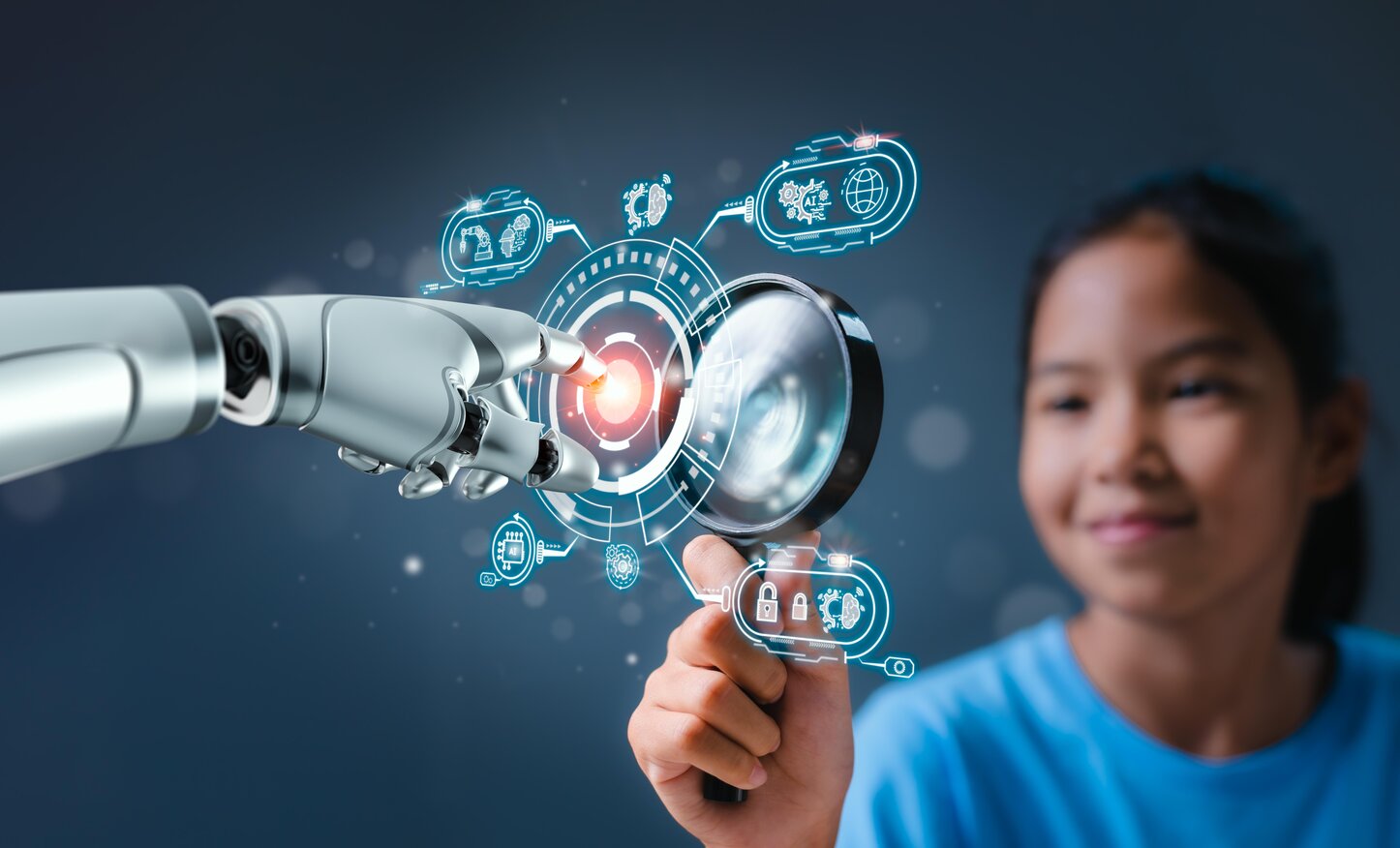
Machine learning, a subset of artificial intelligence (AI), is no longer a futuristic concept confined to sci-fi movies and tech conferences. It has quietly woven itself into the fabric of our everyday lives, changing how we work, shop, communicate, and even think. But what exactly is machine learning, and how is it making such a profound impact on our daily routines?
What is Machine Learning?
Machine learning is a branch of AI that enables computers to learn from and make decisions based on data.
Unlike traditional programming, where a human writes explicit instructions, machine learning involves feeding data into algorithms that can identify patterns and make predictions. This capability allows machines to improve their performance over time without human intervention. Below are some of the ways machine learning is changing everyday life:
Personalized Shopping Experiences
Have you ever wondered how online stores seem to know exactly what you want to buy? Machine learning is behind this magic. E-commerce giants like Amazon and eBay use complex algorithms to analyze your browsing history, past purchases, and even the time you spend looking at certain items. This data helps them recommend products tailored specifically to your tastes and preferences. This personalized shopping experience not only enhances customer satisfaction but also drives sales and boosts customer loyalty.
Smart Home Devices
Smart home devices, such as Amazon’s Alexa, Google Home, and smart thermostats like Nest, have become integral parts of modern households. These devices use machine learning to understand your habits and preferences. For instance, a smart thermostat learns your daily schedule and adjusts the temperature accordingly, ensuring optimal comfort and energy efficiency. Similarly, virtual assistants learn your voice commands and preferences, allowing them to provide personalized responses and automate various tasks, making your life easier and more convenient.
Enhanced Healthcare
Machine learning is revolutionizing healthcare by enabling early diagnosis and personalized treatment plans.
Algorithms can analyze vast amounts of medical data to identify patterns that human doctors might miss. For example, machine learning models can predict the likelihood of diseases such as cancer or diabetes by analyzing genetic information, lifestyle factors, and medical history. This allows for early intervention and more effective treatment, potentially saving countless lives.
Financial Services
The financial industry is another sector that has embraced machine learning with open arms. From fraud detection to personalized banking, machine learning is enhancing the way financial institutions operate. Algorithms analyze transaction data in real-time to identify unusual patterns that may indicate fraudulent activity. Additionally, machine learning models help in assessing credit risk, enabling banks to make more informed lending decisions. Personalized financial advice, robo-advisors, and automated trading systems are also products of machine learning, making financial services more efficient and accessible. Machine learning is indeed changing everyday life:
Improved Transportation
Machine learning is at the heart of the autonomous vehicle revolution.
Companies like Tesla, Waymo, and Uber are developing self-driving cars that rely on machine learning algorithms to navigate and make real-time decisions. These vehicles use sensors and cameras to gather data about their surroundings, which is then processed to identify objects, predict movements, and make safe driving decisions. Beyond self-driving cars, machine learning also optimizes public transportation systems by analyzing traffic patterns and predicting peak times, improving efficiency and reducing wait times for commuters.
Enhanced Customer Service
Customer service is another area where machine learning is making significant strides. Chatbots and virtual assistants powered by AI are increasingly handling customer inquiries and support requests. These systems use natural language processing (NLP) to understand and respond to customer queries in real-time. Machine learning enables these virtual assistants to continuously improve their responses by learning from past interactions, providing more accurate and helpful support over time.
Entertainment and Content Recommendations
Streaming services like Netflix, Spotify, and YouTube leverage machine learning to keep you entertained. By analyzing your viewing or listening history, these platforms recommend content that aligns with your preferences. This personalized approach keeps users engaged and satisfied, ensuring they spend more time on the platform. Machine learning also helps in content creation, such as generating music, art, and even writing scripts, pushing the boundaries of creativity.
Language Translation and Communication
Language barriers are becoming less of an obstacle. Thanks to machine learning-powered translation services.
Tools like Google Translate use machine learning to provide real-time translations that are increasingly accurate. These services analyze vast amounts of multilingual data to understand context and nuances, making communication across different languages more seamless. Additionally, predictive text and autocorrect features on smartphones also rely on machine learning to enhance typing efficiency and accuracy.
Environmental Impact
Machine learning is playing a crucial role in addressing environmental challenges. From predicting weather patterns to optimizing energy usage, AI-driven solutions are making a positive impact on the environment. For instance, machine learning models can predict natural disasters, such as hurricanes and earthquakes, allowing for better preparedness and response. In agriculture, machine learning helps in precision farming by analyzing soil conditions, weather forecasts, and crop health, leading to more efficient and sustainable farming practices.
Bottomline…
Machine learning is no longer a distant concept; it’s an integral part of our daily lives, transforming various aspects of how we live, work, and interact with the world. From personalized shopping experiences to enhanced healthcare and smarter homes, the applications of machine learning are vast and continually evolving. As technology advances, we can expect even more innovative and life-changing applications of machine learning, making our lives easier, safer, and more efficient.