


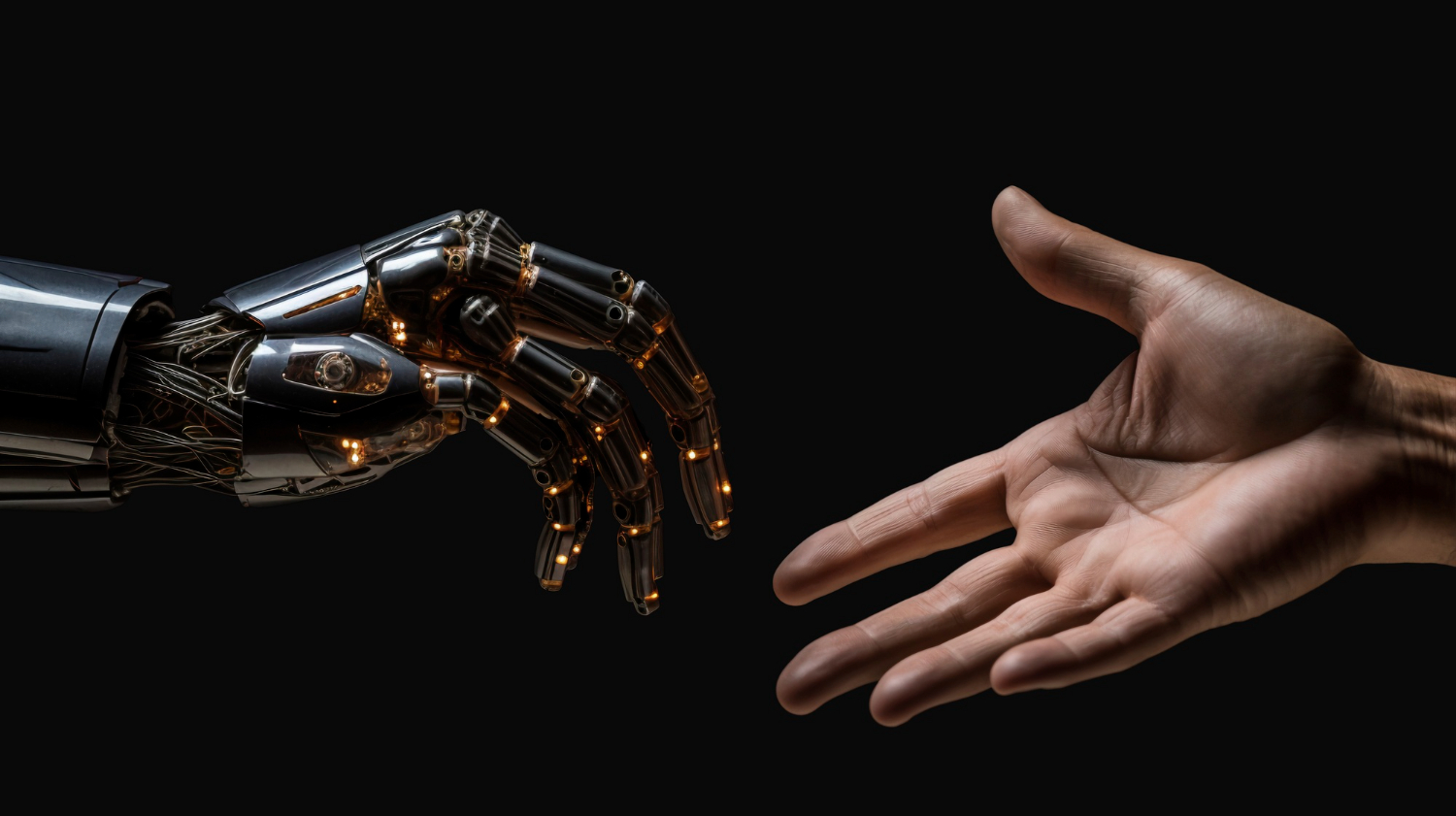
Artificial intelligence (AI) is changing the way we live and work. In creative industries like art, music, writing, and design, AI tools are becoming more popular every day. They can generate ideas, automate tasks, and even create full pieces of work. However, many people fear that as AI grows stronger, the human touch might get lost. Creativity is personal and emotional, and machines cannot fully replace that. This fear makes it important to learn how to balance AI and creativity.
Finding the right balance between AI automation and human creativity is not just about protecting jobs. It is about making sure that creativity stays unique and meaningful. When we use AI to handle repetitive tasks and free up time for deeper thinking, we can boost productivity without losing originality. Instead of seeing AI as a threat, we should see it as a powerful partner that supports human ideas.
In this blog post, we will look at the important role that AI plays in creative fields. We will also discuss why human creativity is still valuable in a world filled with smart machines. Then, we will share practical strategies that can help businesses and individuals balance AI and creativity in real life. Finally, we will look at case studies of companies and artists who have successfully blended technology with the human spirit.
By the end, you will see that balancing AI automation with human creativity is one of the best hacks you’d know.
See Also: Top AI content creation tools to streamline workflow in 2025
The Role of AI Automation in Creative Work
There is no denying that AI automation has augmented creativity in ways never seen before. Artists, writers, and designers work differently.
Instead of replacing human creators, AI acts as a smart assistant. It handles tasks that are repetitive, time-consuming, and sometimes boring. For example, content generators can produce drafts for blog posts. Design software powered by AI can suggest layouts or color palettes. Music apps can create base rhythms for songs. These tools give creators more time to focus on bigger, more emotional ideas.
Where the Strength Lies
AI’s true strength lies in its ability to handle large amounts of information. It can study data faster than any human. For instance, an AI tool can quickly analyze which design trends are popular or which storylines are selling best. This helps creators make smarter choices without spending hours on research. AI is also great at spotting patterns. It notices things like color combinations that people like or writing styles that are trending. Another key strength is scalability. AI can help a single creator produce many pieces of work in a short time, making it easier to reach large audiences.
However, AI has clear limits. While it can create based on patterns, it cannot feel emotions. A poem written by AI might rhyme well, but it will lack the deep feelings that human poets express. Also, AI often struggles with context. It may miss small cultural details or misunderstand the hidden meaning behind words and images. These limits make it risky to rely only on AI for creative work.
That is why it is so important to balance AI and creativity. AI works best when it supports human ideas, not when it tries to replace them. When creators use AI to speed up simple tasks, they have more energy to create unique and emotional work. This partnership between human imagination and machine power leads to results that are both efficient and meaningful.
The Essence of Human Creativity in AI
While AI tools are smart and fast, they still depend on human guidance. That’s because human creativity brings something special to the table—something no machine can fully copy. Human creativity in AI means combining machine power with human traits like intuition, emotion, and originality.
Human creativity often begins with a gut feeling or a spark of inspiration. This intuition helps us see connections where machines see only data. Emotional intelligence is another key part. People understand feelings, culture, and personal stories. This allows them to create work that moves others, such as a song that brings back memories or a painting that tells a silent story. Originality also matters. While AI often copies patterns, people can imagine what has never been done before.
Why Human Input?
Human input is so valuable in areas like storytelling, art, and innovation. Take storytelling, for example. AI can write a plot, but it cannot write from lived experience. A human writer knows how it feels to lose something, to dream, or to fight for change. These emotions shape powerful stories. In art, humans choose colors and styles based on feelings and messages they want to express. In innovation, people think outside the box. They imagine new products or ideas that solve real problems in surprising ways.
Let’s look at a simple example: marketing. Some of the best ads make people laugh, cry, or feel seen. These ads work because they are based on emotional truth. An AI might copy the style of such ads, but it cannot truly feel or understand the emotion behind them. The same goes for design. A unique product design often comes from a personal story or a moment of inspiration—things only humans can provide.
Still, this does not mean we should ignore AI. In fact, AI and human creativity can work well together. When we use AI to handle routine work, we can spend more time crafting stories or designing ideas that connect with people. To get the best results, we must balance AI and human creativity. This balance helps us take advantage of AI’s speed and human emotion at the same time. It gives meaning to the things we make.
Smart Ways to Balance AI with Human Creativity
Balancing AI with human creativity isn’t just a goal—it’s a practice. It takes planning, the right tools, and the right mindset. AI is great for saving time, but it works best when humans lead with vision, emotion, and strategy. Below are three simple strategies to make the most of both.
Use AI for Efficiency, Humans for Vision
The smartest way to use AI is to let it handle tasks that don’t need deep thinking. These include sorting data, generating reports, or writing first drafts. This frees up time for people to focus on what really matters—creative thinking and big ideas.
For example, a team working on a new product launch might use AI to organize customer feedback or draft basic emails. Then, the team can spend their time crafting a powerful campaign message that truly connects with the audience. In this way, AI efficiency and human vision work together without stepping on each other.
Humans should lead in areas like brainstorming, brand identity, storytelling, and final edits. These tasks need feeling, intuition, and insight—things AI simply can’t fake. This clear split of roles keeps both sides productive and creative.
Build Collaborative Workflows
Another great strategy is to build systems where AI and people work together from start to finish. According to a Harvard Business Review article, successful teams find balance by using AI for routine tasks while reserving creative problem-solving for humans. This is called AI human creative collaboration. It means letting AI help with the early stages of a project and then letting humans shape the final product.
For instance, a writer might ask AI to suggest headlines or generate a blog outline. Then, the writer edits, adds personal stories, and adjusts the tone to match their voice. This mix saves time but still keeps the content fresh and human.
Designers do this too. They might use AI to suggest layouts or font pairings. But they’ll add the final touches based on emotion, style, and branding. This type of teamwork blends the best of both worlds—speed and soul.
Encourage Learning and Adaptation
To make this balance work, teams must be open to learning. It’s not enough to just have tools—you need to know how to use them well. That’s why it’s important to learn creative AI tools through regular training.
Creative teams should explore new AI platforms and test how they fit into their daily work. The more they experiment, the easier it becomes to spot what AI does well—and where human effort is still needed. Training also helps reduce fear. When people feel confident using AI, they stop seeing it as a threat and start seeing it as a tool.
At the same time, human creativity must be nurtured. Encourage people to take breaks, try new things, and work on passion projects. These habits keep creative energy alive, even in a tech-heavy world.
By following these strategies—using AI for routine tasks, setting up collaborative workflows, and supporting ongoing learning—you can truly balance AI with human creativity. This way, both the mind of the machine and the heart of the human can thrive side by side.
Real-Life Success: AI Creativity Case Studies
Marketing Campaigns That Connect
A popular fitness brand wanted to launch a new ad campaign. Instead of starting from scratch, they used AI tools to study online trends and customer behavior. The AI looked at data from social media, past ad performance, and product reviews. It helped the team understand what messages people were responding to.
But the story didn’t end there. The marketing team then stepped in to build a message that felt real and emotional. They focused on body positivity and strength—topics that matched the data but also spoke to the heart. They added real customer stories and images to make the campaign personal and powerful.
The result? The campaign got higher engagement than past efforts. People shared it more, commented more, and even bought more. This happened because the team knew how to balance AI and creativity. The AI gave them insights, and the people gave it meaning.
Smarter, Faster Graphic Design
A digital agency needed to create visuals for a product launch with a tight deadline. They used AI-powered design tools to generate fast templates based on the brand’s colors and layout preferences. These tools created dozens of options in just a few minutes.
Then, the human designers took over. They refined the AI templates by adjusting shapes, adding custom artwork, and choosing images with deeper emotional meaning. The final designs felt fresh, professional, and unique—nothing like the typical “AI look.”
Because of this combined workflow, the team completed their project in half the usual time. The client was thrilled with the quality, and the designers didn’t feel creatively drained. Again, this win came from a smart mix of AI speed and human style.
Combine Strengths, Not Just Tools
These AI creativity case studies show that technology and talent can work together in powerful ways. AI handles research, patterns, and speed. Humans bring emotion, context, and originality. When used together with a clear plan, the results are more creative, more effective, and more engaging.
So if you want to create great work in today’s digital world, remember: Don’t choose between AI and people. Choose both—and find a way to balance AI and creativity in every step.
Overcoming Challenges in Balancing AI and Creativity
While blending AI and creativity offers many benefits, it’s not always easy. Many teams face real struggles when trying to bring machines and people together in creative work. Understanding the challenges balancing AI creativity is the first step toward solving them.
Common Roadblocks: Fear and Overuse
One big challenge is resistance to AI. Some creative professionals worry that AI might take over their jobs. Others feel that AI could make their work less meaningful. This fear leads to hesitation in using helpful tools, even when those tools could save time and boost results.
Another problem is the opposite: over-reliance on automation. When teams depend too much on AI, the creative process becomes flat. Work can start to feel repetitive or too polished, without the natural flaws that make it human. This happens when AI is allowed to do more than it should, like writing emotional content or making key design choices.
Smart Solutions That Work
To move forward, teams must find a healthy middle ground. The first step is building a culture of collaboration. This means encouraging open conversations between creatives and tech teams. Everyone should feel comfortable exploring new tools without fear of being replaced. When people understand how AI can help—not hurt—they are more likely to use it in the right way.
Another solution is to clearly define roles. Use AI for what it does best: data tasks, pattern spotting, and quick drafts. Let humans lead when it comes to storytelling, problem-solving, and decision-making. When both sides know their strengths, they can work together without conflict.
Finally, human oversight must always be part of the process. Even if AI writes a first draft or builds a design layout, humans should always review, refine, and approve the final version. This step is key to keeping the work original, ethical, and emotionally rich.
Keep the Balance Strong
These challenges may sound tough, but they are not impossible to fix. With the right mindset and clear structure, teams can move past fear, avoid overuse, and create better results. The goal is not to choose between people and machines—but to make them stronger together.
By tackling the challenges balancing AI creativity, we protect the best parts of human expression while using technology to grow. That’s how we keep creative work exciting, smart, and full of heart.
What’s Next? Future Trends in AI and Human Creativity
The future of creative work is changing fast. New AI tools are showing up every day, and they are getting better at helping people work faster and smarter. Still, the heart of creativity will always belong to humans. The key is to understand how these tools will shape what comes next—and how to stay ready for it. These trends in future AI human creativity give us a peek into what’s ahead.
New Tools, Bigger Ideas
AI is no longer just about writing or data crunching. More advanced tools are now being used in music, film editing, animation, and even fashion design. For example, some platforms help musicians create melodies or mix beats based on sound trends. Others help filmmakers create storyboards in minutes. These tools don’t replace artists—they support them.
As AI keeps improving, it will likely take on even more background work, allowing creative minds to focus on bold ideas. This shift will help creators go beyond limits. They will have more time and freedom to try new things, test faster, and take bigger risks.
A New Kind of Creative Balance
Sooner than later, the balance between AI and human creativity will become even more important. AI will be able to suggest better ideas and edit content more naturally. But even then, it will still lack emotion, cultural depth, and originality—things that only humans can bring.
This means that the role of human creatives will shift. Instead of doing routine work, they’ll lead with strategy, feeling, and personal insight. They’ll work alongside AI, not behind it. The most successful teams will be those who know how to blend both with skill and purpose.
Stay Flexible, Stay Ahead
To keep up, businesses and creative teams must stay flexible. That means always learning about new tools, testing new ways to work, and adjusting when needed. Those who resist change may fall behind, while those who adapt will find new chances to grow and lead.
Training your team to use AI the right way is just as important as teaching creativity. It’s also wise to review your workflows often to make sure you’re still getting the best from both AI and human talent.
In short, the future of AI and human creativity is all about partnership. When used wisely, AI won’t take away creativity—it will help it shine brighter.
FAQs: Balancing AI and Creativity
1. Can AI replace human creativity?
No, AI can support creative work, but it cannot replace human creativity. It lacks emotion, culture, and personal experience.
2. How do you use AI without losing originality?
Use AI for basic tasks like drafts or data analysis. Then, add your own ideas, feelings, and personal touch to keep the work original.
3. What are the benefits of combining AI with human creativity?
This mix saves time, boosts productivity, and allows humans to focus on big ideas and emotional impact.
4. What are the risks of relying too much on AI?
Too much AI use can lead to flat, lifeless content. It may also reduce human input and limit true innovation.
5. How can businesses train teams to work with AI creatively?
Offer simple AI tool training, encourage experiments, and always keep humans in control of final outputs.

2 Comments
Very good https://is.gd/N1ikS2
Excellent research