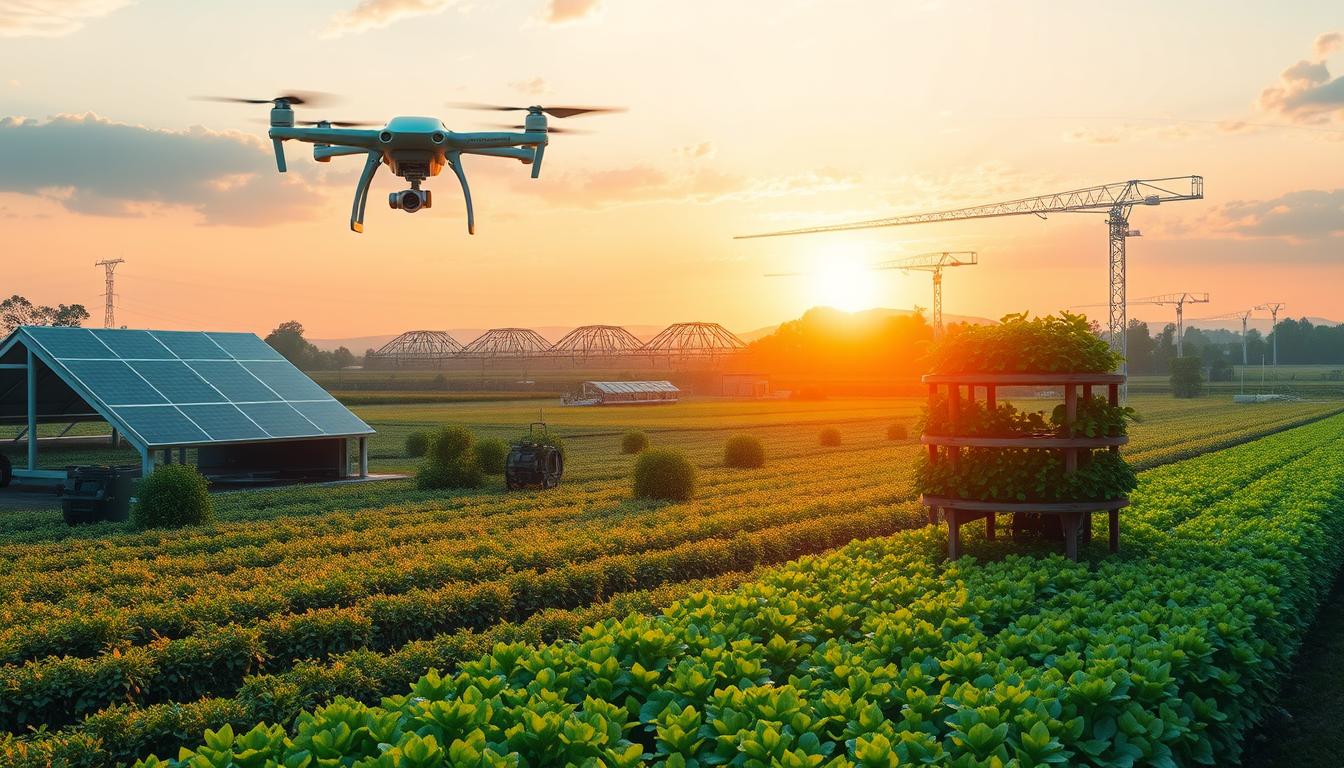
Farming is one of the oldest industries in human history. From the early days of basic tools to the industrial revolution, agriculture has constantly evolved. In today’s world, a new wave of technology is transforming farming yet again.
It is clear that technology will change farming a lot. Over the next couple of decades, farmers will use new tech to reinvent how we grow and share food. Experts say tech will lead to farming that’s modern, sustainable, and profitable for the next generation. But what does the future of farming look like and what innovations should we watch out for?
Let’s take a look at how technology will transform agriculture and what that means for our food supply.
Key Takeaways
- Precision agriculture will use data and AI to make better crop management decisions.
- AI in agriculture helps farmers make better decisions based on data collected from their farms.
- Smart irrigation and water-saving methods will make farming more efficient and green.
- Robots and self-driving farm equipment will change how we do manual tasks, making farming better and easier.
- Technology isn’t just about making farming more efficient—it’s also about making it more sustainable.
The Rise of Precision Agriculture
One of the biggest advancements in farming is precision agriculture. This method uses data to make farming more efficient. By using technology like GPS, sensors, and satellite farming imagery, farmers can now analyze every square foot of their fields. This means they can apply water, fertilizer, and pesticides only where they are needed, reducing waste and increasing yields.
Drones in farming can help farmers to monitor crop health. These drones can spot problems like pests or diseases early, allowing for quick intervention. This leads to healthier crops and higher productivity.
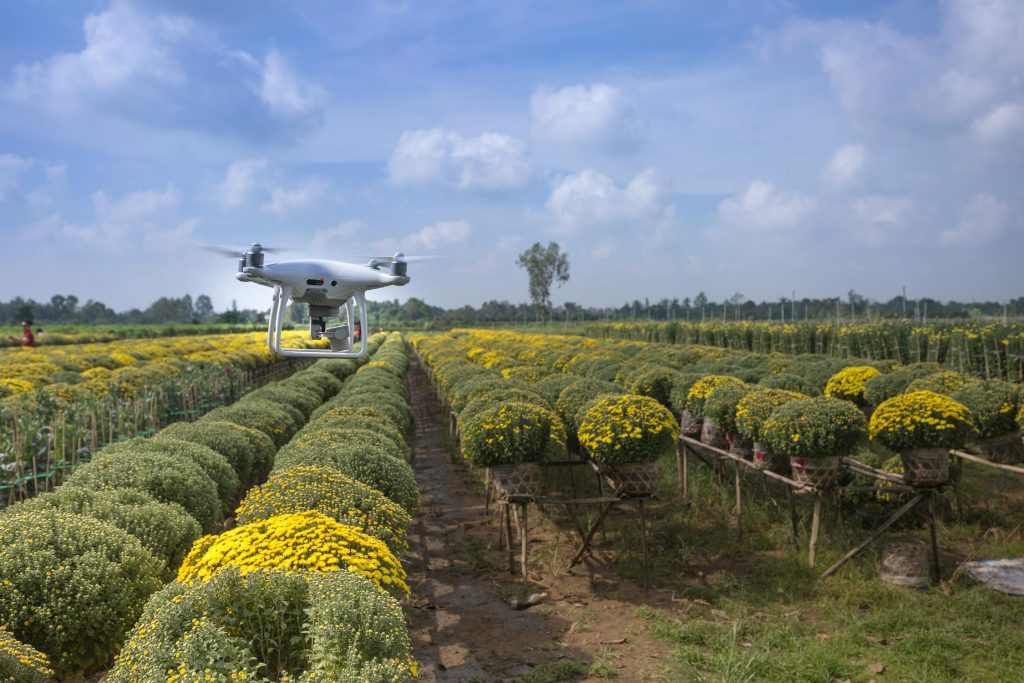
AI adds even more power to precision farming. It looks at lots of data, finds patterns, and gives farmers advice. This helps farmers make their farming experience robust and more efficient.
These new ways of farming will completely change the future of food. As more people need food, precision agriculture, data-driven farming, and AI in agriculture will be crucial. They help us grow food without harming the planet.
“Precision agriculture is not just a trend; it’s a necessity for the future of farming. By harnessing the power of data and technology, we can create a more sustainable and efficient food system for generations to come.”
Robotic Farming Machines
Another game-changer in the future of farming is the rise of robotic farming machines.
Automation is becoming a turning point in farming. Instead of relying on human labor, farms are turning to robotics to handle tasks like planting, weeding, and harvesting. Robots are more precise, work longer hours, and reduce human error.
For example, automated tractors equipped with GPS can plow and plant fields with almost no human intervention. These tractors know exactly where to go, saving time and fuel. Harvesting robots are also starting to become more common, particularly in crops like fruits and vegetables, where labor shortages in agriculture are a growing concern.
Not only does this save time and labor costs, but it also helps address the growing issue of a shrinking agricultural workforce.
Smart Irrigation Systems and Water Conservation
Water is one of the most precious resources on the planet, and farms consume a huge amount of it. Traditional irrigation systems often waste water, as they don’t consider weather patterns or soil conditions. That’s where smart irrigation systems come in.
Using sensor technology and weather data, smart irrigation systems can adjust watering schedules based on real-time conditions. If the soil is already moist or rain is on the way, the system can automatically reduce or stop irrigation. This ensures that plants get exactly the amount of water they need, no more, no less.
These systems are not only good for the environment but also save farmers money on water bills.
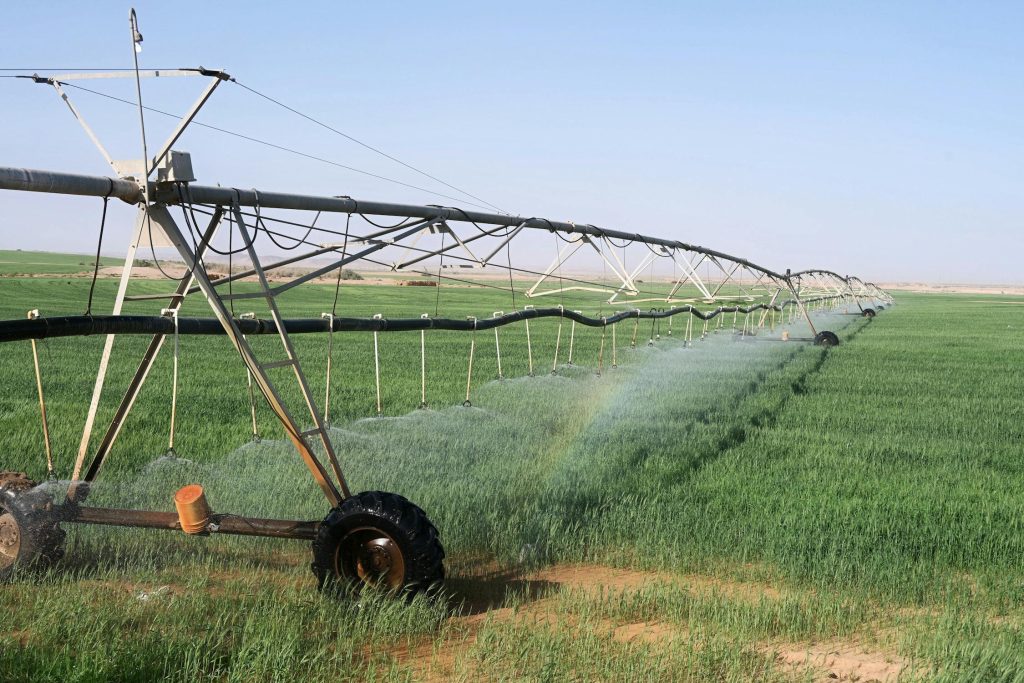
Smart irrigation systems use soil moisture sensors and weather data to decide when and how much water to give crops. They check soil conditions and weather to make sure crops get the right amount of water. This way, they cut down on water waste and help plants grow well.
With the world facing water shortages, smart irrigation systems are a key solution. They help farmers use water wisely and conserve it for the future. Smart irrigation systems are revolutionizing water management in agriculture, enabling us to do more with less and safeguard our water resources for the future.
Vertical Farming: Growing Up, Not Out
As the global population grows, the demand for food increases. However, there’s only so much farmland available. That’s where vertical farming comes into play. Instead of using traditional fields, vertical farms grow crops in stacked layers, often in controlled indoor environments.
In these setups, everything from temperature to light and humidity is controlled using technology. This allows for year-round farming, regardless of the weather outside. Vertical farms also use hydroponics or aeroponics, which require less water than traditional soil-based farming.
Vertical farming is particularly promising in urban areas, where space is limited but the demand for fresh produce is high. It also reduces transportation costs and emissions, as food is grown closer to where it’s consumed.
Artificial Intelligence In Farming
Artificial intelligence (AI) is already transforming industries like healthcare and finance, and now it’s making its way into farming. AI in agriculture helps farmers make better decisions based on data collected from their farms.
For example, AI can analyze weather patterns and predict the best time to plant or harvest crops. It can also help with crop disease detection by analyzing images from drones or cameras. AI can even suggest the best types of seeds to use based on soil conditions and climate forecasts.
AI is also being used in predictive analytics, allowing farmers to estimate their crop yields before harvest. This helps farmers plan better and reduce risks.
Blockchain In Agriculture
Consumers today want to know where their food comes from and how it was produced. Blockchain technology can provide that transparency by creating a digital ledger that tracks every step of the food production process.
From farm to table, blockchain records the journey of food, ensuring that consumers know exactly where their produce was grown and how it was handled. This is especially important for organic farming or fair-trade products, where trust is key.
Blockchain can also help farmers by simplifying contracts and payments, reducing the time and effort needed for administrative tasks.
Sustainable Farming: The Future is Green
Technology isn’t just about making farming more efficient—it’s also about making it more sustainable. The focus on sustainable farming practices is growing as concerns about climate change and environmental degradation rise.
Renewable energy sources, like solar and wind, are being integrated into farm operations to reduce carbon footprints. Bio-engineering is helping develop crops that require fewer resources, like drought-resistant or pest-resistant plants. And soil health monitoring systems are helping farmers manage their land more sustainably by ensuring that the soil remains fertile and productive over the long term.
The goal is to create a farming system that meets the needs of today without compromising the ability of future generations to feed themselves.
Looking Ahead…
The future of farming is exciting, and technology is at the heart of this transformation. From precision agriculture and automation to AI and blockchain, these innovations are making farming more efficient, sustainable, and profitable.
Farmers who embrace these technologies will be better equipped to meet the challenges of feeding a growing global population while also protecting the environment. This new era of farming isn’t just about growing more food—it’s about growing it smarter and more sustainably.
FAQ
What is precision agriculture and how does it improve crop management?
Precision agriculture uses data analytics and AI to make farming better. It helps farmers decide on things like what to use, when to water, and how to control pests. This leads to more food and less harm to the environment.
What are the benefits of smart irrigation systems for water conservation?
Smart irrigation systems use sensors and precision to save water. They help farmers use water wisely. This means better crops and less water wasted.
How is agricultural technology driving the future of sustainable farming?
New tech like precision agriculture, IoT, and smart irrigation is changing farming. It makes farming more efficient, cuts down on harm to the environment, and helps meet the world’s food needs.